

3D GeoInfo | Smart Data and Smart Cities | LADM & 3D LA
28 September - 2 October 2026, Sofia, Bulgaria
About The Event
3D GeoInfo | SDSC | LADM & 3D LA 2026, the co-located 21st International 3D GeoInfo Conference 2026, 10th International Smart Data and Smart Cities Conference and 14th International FIG Workshop on LADM & 3D LA, will be held in Sofia, Bulgaria on 28th September - 2nd of October 2026. The event is hosted by the Big Data for Smart Society (GATE) Institute, Sofia, Bulgaria.
Where
5 James Bourchier Blvd., Sofia, Bulgaria
When
Monday to Friday
28 September - 2 October 2026
About
3D GeoInfo | SDSC | LADM & 3D LA
Download conference broshure.
28 Sept - 29 Sept 2026
The 3D GeoInfo Conference aims to bring together international researchers, practitioners, and professionals from academia, industry, and government to discuss the latest advances in 3D geoinformation science and technology. This annual event offers a multidisciplinary and intersectoral forum in the fields of 3D/4D data collection, management, data quality, analysis, advanced modelling, and visualisation, with a strong focus on cutting-edge research, standardisation, technical, implementation and application issues across different disciplines.
29 Sept - 1 Oct 2026
The Smart Data and Smart Cities (SDSC) Conference is an annual international conference that brings together international experts in city analytics, GIS, digital twins, smart cities and data science from leading research institutes to discuss advances in methods and applications. It provides a forum to discuss the use data and technology to plan and shape our future cities. SDSC is the annual conference of the Urban Data Management Society, a society over 50 years old.
1 Oct - 2 Oct 2026
The LADM & 3D LA workshop aims to bring together experts from the industry, government, and academia, to present and discuss LADM and/or 3D LA related developments including live demonstrations of LADM implementations (operational systems, pilots, prototypes). The workshop will also cover informal or customary rights (restrictions, responsibilities) as exiting in many countries, next to the more formal rights that are being registered. The registration of the legal status in complex 3D situations will be investigated under the header of 3D Cadastres.
Chair
Dessislava PETROVA_ANTONOVA, GATE Institute, Bulgaria
Co-Chairs
3D GeoInfo: Dessislava PETROVA_ANTONOVA, GATE Institute, Bulgaria
SDSC: Christina MICKRENSKA, UACEG, Bulgaria
LADM & 3D LA: Peter van OOSTEROM, TU Delft, The Netherlands
Organising committee
*Sorted by Alphabetic First Name
- Boyan STEFANOV, GATE Institute, Bulgaria
- Christina MICKRENSKA, UACEG, Bulgaria
- Dessislava PETROVA-ANTONOVA, GATE Institute, Bulgaria
- Elena PENEVA, UACEG, Bulgaria
- Emil HRISTOV, GATE Institute, Bulgaria
- Gichka Kutova-Kamenova, UACEG, Bulgaria
- Ivan KUNCHEV, UACEG, Bulgaria
- Kaloyan KARAMITOV, GATE Institute, Bulgaria
- Lidia VITANOVA, GATE Institute, Bulgaria
- Mariya PANTUSHEVA, GATE Institute, Bulgaria
- Simeon MALINOV, GATE Institute, Bulgaria
- Sylvia ILIEVA, GATE Institute, Bulgaria
Committees
*Sorted by Alphabetic First Name.
- Abbas RAJABIFARD, University of Melbourne, Australia
- Abdoulaye DIAKITE, UNSW, Sydney
- Abdullah ALATTAS, King Abdulaziz University, Saudi Arabia
- Abdullah KARA, Gebze Teknik Üniversitesi, Turkey
- Agung INDRAJIT, Nusantara Capital Authority, Indonesia
- Al-Doori MULHIM, Roads and Transport Authority, UAE
- Alenka POPLIN, Iowa State University, United States of America
- Alessandra DE BENEDICTIS, University of Naples Federico II, Italy
- Ali AIEN, University of Melbourne, Australia
- Alias Abdul RAHMAN, Universiti Teknologi, Malaysia
- Allison KEALY, RMIT, Australia
- Amalia VELASCO, Former Spanish cadastre, Spain
- Andre DA SILVA MANO, University of Twente, Netherlands
- Andrea F.T. CARNEIRO, Universidade Federal de Pernambuco, Brazil
- Andres HERNANDEZ BOLAÑOS, Registro Nacional Costa Rica, Costa Rica
- Andreas DONAUBAUER, Technical University of Munich, Germany
- Andreas GEORGOPOULOS, National Technical University of Athens, Greece
- Angel COLLADO, Colegio Oficial de Ingeniería Geomática y Topográfica, Spain
- Anh Vu VO, University College Dublin, Ireland
- Anthony BECK, Ordnance Survey, UK
- Anka LISEC, University of Ljubljana, Slovenia
- Antony COOPER, CSIR, India
- Aristotelis VARTHOLOMAIOS, University of Thessaly, Greece
- Artur Caldas BRANDÃO, Federal University of Bahia, Republic of El Salvador
- Arturo ARANGUREN, Deneb Latinoamericana, USA
- Asimina DIMARA, Democritus University of Thrace, Greece
- Aurobindo OGRA, University of Johannesburg, South Africa
- Azarakhsh RAFIEE, Delft University of Technology, The Netherlands
- Balamurugan SOUNDARARAJ, UNSW, Australia
- Baris KAZAR, Oracle America Inc, United States
- Bastiaan VAN LOENEN, Delft University of Technology, The Netherlands
- Behnam ATAZADEH, University of Melbourne, Australia
- Ben GORTE, UNSW, Australia
- Bheshem RAMLAL, University of the West Indies, Jamaica
- Binghao
LI , UNSW, Australia - Camilo LEÓN SÁNCHEZ, TU Delft, The Netherlands
- Carlos VIEIRA, Federal University of Santa Catarina, Brazil
- Carmen FEMENIA-RIBERA, Universitat Politècnica de València, Spain
- Charalabos IOANNIDIS, National Technical University of Athens, Greece
- Charisse GRIFFITH-CHARLES, The University of the West Indies, St. Augustine, Trinidad and Tobago
- Charl-Thom BAYER, Land Portal Foundation, The The Netherlands
- Claudia LINDNER, Kadaster, The Netherlands
- César CÁRDENAS, Tecnológico de Monterrey in Guadalajara, Mexico
- Chiara GARAU, University of Cagliari, Italy
- Christiaan LEMMEN, University of Twente, The The Netherlands
- Christina MICKRENSKA, UACEG, Bulgaria
- Christopher Pettit, UNSW, Australia
- Chryssy POTSIOU, NTUA, Greece
- Cidália Costa FONTE, University of Coimbra, Portugal
- Claire ELLUL, University College London, United Kingdom
- Claudine METRAL, University of Geneva, Switzerland
- Claudio PERSELLO, University of Twente, The Netherlands
- Cynthia Changxin WANG, UNSW, Australia
- Danail NEDYALKOV, UACEG, Bulgaria
- Daniel PAEZ, Land Equity International Pty Ltd, Australia
- Daniele TRECCANI, Politecnico di Milano, Italy
- David HESLOP, UNSW, Australia
- Davood SHOJAEI, The University of Melbourne, Australia
- Debaditya AACHARYA, RMIT, Australia
- Debra LAEFER, New York University, USA
- Dessislava PETROVA-ANTONOVA, GATE Institute, Bulgaria
- Dev Raj PAUDYAL, University of Southern Queensland, Australia
- Didier GRIMALDI, Ramon Llull University, Spain
- Diego ERBA, Universidad Nacional del Litoral, Argentina
- Dimitrios KITSAKIS, National Technical University of Athens, Greece
- Dimos PANTAZIS, University of West Attica, Greece
- Dinao TJIA, City of Ekurhuleni, South Africa
- Dionysia Georgia PERPERIDOU, University of West Attica, Greece
- Dong Keun YOON, Yonsei University, South Korea
- Dubravka SLADIĆ, University of Novi Sad, Serbia
- Edward VERBREE, Delft University of Technology, The Netherlands
- Efi DIMOPOULOU, NTUA
- Eftychia KALOGIANNI, Delft University of Technology, The Netherlands
- Ekaterina SENTOVA, UACEG, Bulgaria
- Elena PENEVA, UACEG, Bulgaria
- Elikkos ELIA, Cyprus Department of Lands and Surveys, Cyprus
- Eliseo CLEMENTINI, University of L'Aquila, Italy
- Emmanuel STEFANAKIS, University of Calgary, Canada
- Eric GUILBERT, Université Laval, Canada
- Erik STUBKJÆR, Aalborg University, Denmark
- Erwin FOLMER, University of Twente, The Netherlands
- Eva-Maria UNGER, Kadaster, The Netherlands
- Everton SILVA, UFSC, Brazil
- Farzaneh Dadrass JAVAN, University of Twente, The Netherlands
- Fatih DÖNER, Gümüşhane University, Turkey
- Filip BILJECKI, National University of Singapore, Singapore
- Francesca NOARDO, OGC, Italy
- Francis ROY, Laval University, Canada
- Francisco Henrique OLIVEIRA, Universidade do Estado de Santa Catarina, Brazil
- François BROCHU, Laval University, Canada
- Fredrik ZETTERQUIST, University of Gävle, Sweden
- Fuhu REN, Peking University, China
- Gamze DANE, Eindhoven University of Technology, The Netherlands
- Genoveva VARGAS-SOLAR, CNRS-LIG-LAFMIA, France
- Gerda SCHENNACH, FIG, Austria
- Gergana ANTOVA, UACEG, Bulgaria
- Gerhard NAVRATIL, Vienna University of Technology, Austria
- Gilberto CORSO PEREIRA, Universidade Federal da Bahia, Brazil
- Gilles FALQUET, University of Geneva, Switzerland
- Gilles GESQUIERE, Université Lyon, France
- Giorgio AGUGIARO, TU Delft, The Netherlands
- Giuseppina VACCA, University of Cagliari, Italy
- Gordon JOHNSTON, RICS, UK
- Guilherme LINHEIRA, UDESC, Brazil
- Gyula IVÁN, Lechner Nonprofit Ltd., Hungary
- Halil Ibrahim INAN, Gumushane University, Turkey
- Hans-Christoph GRULER, Leica-Geosystems AG, Switzerland
- Hao WU, UNSW, Australia
- Hendrik PLOEGER, Delft University of Technology, The Netherlands
- Hervé HALBOUT, HALBOUT Consultants, France
- Hoon HAN, UNSW, Australia
- Hugo LEDOUX, TU Delft, The Netherlands
- Huynh Duc An Son NGUYEN, HafenCity University Hamburg, Germany
- Ihab HIJAZI, Technical University of Munich, Germany
- İsmail Rakip KARAŞ, Karabuk University, Turkey
- Israel TAIWO, The Federal Polytechnic Ado-Ekiti, Nigeria
- Ivan KUNCHEV, UACEG, Bulgaria
- Ivana IVANOVA, Curtin University, Australia
- Ivana RECETIN, FGAG, Croatia
- Ivin Amri MUSLIMAN, Universiti Teknologi Malaysia, Malaysia
- Jaap ZEVENBERGEN, University of Twente, The Netherlands
- Jack BARTON, UNSW, Australia
- Jacynthe POULIOT, Universite Laval, Canada
- Jamal JOKAR ARSANJANI, Aalborg University Copenhagen, Denmark
- James KAVANAGH, RICS, UK
- Jan BARES, Czech Republic
- Jan PETERS-ANDERS, Austrian Institute of Technology, Austia
- Jarosław BYDŁOSZ, AGH University of Krakow, Poland
- Javier MORALES, University of Twente, The Netherlands
- Jenny PAULSSON, KTH Royal Institute of Technology, Sweden
- Jernej TEKAVEC, University of Ljubljana, Slovenia
- Jesper PAASCH, University of Gävle, Sweden
- Jesús BALADO FRÍAS, University of Vigo, Spain
- Jian ZUO, The University of Adelaide, Australia
- Jie JIANG, Beijing University of Civil Engineering and Architecture, China
- Jinjin YAN, Harbin Engineering University, China
- Jiyeong LEE, University of Seoul, South Korea
- Johnson SHEN, UNSW Sydney, Australia
- João Vitor M BRAVO, Federal University of Uberlândia, Brazil
- John KAHIU, UN-Habitat, Kenya
- John GITAU, UN-Habitat
- Jörg BLANKENBACH, RWTH Aachen, Germany
- Jose-Paulo DE ALMEIDA, Universidade de Coimbra, Portugal
- Josip KRIŽANOVIĆ, University of Zagreb, Croatia
- Jung Hoon LEE, Yonsei Uni, South Korea
- Jungsup UM, Kyungpook National University, South Korea
- Johnson SHEN, UNSW Sydney, Australia
- Jörg BLANKENBACH, RWTH Aachen, Germany
- Jorge GIL, Chalmers University of Technology, Sweden
- Jose-Paulo DE ALMEIDA, Universidade de Coimbra, Portugal
- Jung Hoon LEE, Yonsei Uni, South Korea
- Jungsup UM, Kyungpook National University, South Korea
- Karel JANECKA, University of West Bohemia, Czech Republic
- Kate FAIRLIE, Land Equity International, Australia
- Katerina ATHANASIOU, National Technical University of Athens, Greece
- Kean Huat SOON, Singapore Land Authority, Singapore
- Kees DE ZEEUW, Esri, The The Netherlands
- Ken ARROYO OHORITU Delft, Mexico
- Kirsikka RIEKKINEN, Aalto University, Finland
- Ki-Joune LI, Pusan National University, Korea, Republic of
- Kourosh KHOSHELHAM, University of Melbourne, Australia
- Kwabena ASIAMA, University of Twente, The Netherlands
- Lars BODUM, Aalborg University, Denmark
- Lars HARRIE, Lund University, Sweden
- Lee ROBERTS, UNSW, Australia
- Lena HALOUNOVA, Czech Technical University in Prague, Czech Republic
- Léon OLDE SCHOLTENHUIS, University of Twente, Netherlands
- Liane RAMOS, UFSC, Brazil
- Linlin GE, UNSW, Australia
- Lidia VITANOVA, GATE Institute, Bulgaria
- Liu LIU, Tongji University, China
- Lucía Díaz VILARIÑO, Universidade de Vigo, Spain
- Magdalena ANDERSSON, Lantmäteriet, Sweden
- Mahmoud Reza DELAVAR, University of Tehran, Iran
- Marcello La GUARDIA, University of Palermo, Italy
- Marcin KARABIN, Warsaw University of Technology, Poland
- Marco MINGHINI, European Commission - Joint Research Centre, Italy
- Marcos ABREU, UFV, Brazil
- Margatira KOKLA, National Technical University of Athens, Greece
- Marguerite MADDEN, University of Georgia, United States
- Maria Antonia BROVELLI, Politecnico Di Milano, Italy
- Maria Sanchez APARICIO, University of Salamanca, Spain
- Marije LOUWSMA, Cadastre, Land Registry and Mapping Agency, The Netherlands
- Mario MATTHYS, Ghent University, Belgium
- Marisa BALAS, FIG - Commission 7, Mozambique
- Mariya PANTUSHEVA, GATE Institute, Bulgaria
- Markus SEIFERT, Bavarian Administration for Suveying and Cadastre, Germany
- Mateus MAGAROTTO, CICS.NOVA Interdisciplinary Centre of Social Science, Portugal
- Martijn MEIJERS, Delft University of Technology, Netherlands
- Martin BREUNIG, Karlsruhe Institute of Technology, Germany
- Martin KADA, Technische Universität Berlin, Germany
- Martina BAUCIC, FGAG, Croatia
- Maryam GHODSVALI, Wageningen University and Research, The Netherlands
- Massimo RUMOR, University of Padua, Italy
- Matt DUCKHAM, RMIT, Australia
- Matteo CAGLIONI, UMR 7300 ESPACE - Université Côte d'Azur, France
- Matthew NG, UNSW, Australia
- Michael CHOLETTE, QUT, Australia
- Michael SUTHERLAND, University of the West Indies, Jamaica
- Mike HORHAMMER, Oracle, United States
- Mila KOEVA, University of Twente, The Netherlands
- Miodrag ROIĆ, University of Zagreb, Croatia
- Mir MOSTAFAVI, Université Laval, Canada
- Miro GOVEDARICA, University of Novi Sad, Serbia
- Mitko ALEKSANDROV, Institute for Artificial intelligence, Sebia
- Mohamed Ridda LAOUAR, TTT
- Mohammad MOJTAHEDI, The University of New South Wales, Australia
- Mohammad TALEAI, UNSW, Australia
- Mohsen KALANTARI, UNSW, Australia
- Moigan JADIDI, York University, Canada
- Monica SESTER, Leibniz university Hannover, Germany
- Monica WACHOWICZ, RMIT, Australia
- Morakot PILOUK, ESRI, USA
- Neeraj DIXIT, SLRB, Bahrain
- Nikola VUČIĆ, University of Zagreb, Croatia
- Nils WALRAVENS, iMinds, SMIT, Vrije Universiteit Brussel
- Ofelia CERVANTES, EDUPROTEC, A.C., Mexico
- Okan YILDIZ, Karadeniz Technical University, Turkey
- Parag WATE, The University of Sheffield, United Kingdom
- Paul Vincent KUPER, Karlsruhe Institute of Technology, Germany
- Pawel BOGUSLAWSKI, Wroclaw University of Environmental and Life Sciences, Poland
- Peter GMELCH, New York University, United States
- Peter van OOSTEROM, Delft University of Technology, The Netherlands
- Petra HELMHOLZ, Curtin University, Australia
- Preston RODRIGUES, HFT-Stuttgart, Germany
- Qing ZHU, Wuhan University, China
- Qishuo GAO, University of New South Wales, Australia
- Rabinra LAMSAL, UNSW, Australia
- Rafika HAJJI, Institut Agronomique et Vétérinaire Hassan II, Morocco
- Regina ORVANANOS, UN-Habitat, Kenya
- Renzhong GUO, Shenzhen China, China
- Riza SUNINDIJO, UNSW Sydney, Australia
- Robert LAURINI, University of Lyon, France
- Robert OLSZEWSKI, Warsaw University of Technology, Poland
- Rod THOMPSON, Delft University of Technology, The Netherlands
- Rohan BENNETT, Swinburne University, Australia
- Roland BILLEN, University of Liege, Belgium
- Rui Pedro JULIAO, NOVA FCSH, Portugal
- Ruihang XIE, Tokyo University, Japan
- Rudi STOUFFS, University of Singapore, Singapore
- Sagi DALYOT, The Technion, Israel
- Samsung LIM, UNSW, Australia
- Sander OUDE ELBERINK, University of Twente, Netherlands
- Sang Ho LEE, Hanbat Nat Uni, South Korea
- Sasa VRANIC, KAJO, Slovakia
- Serena COETZEE, UNU-FLORES, Germany
- Shawn LAFFAN, UNSW, Australia
- Shen YING, Wuhan University, China
- Shengjun TANG, Shenzhen University, China
- Simon HULL, University of Cape Town, South Africa
- Sisi ZLATANOVA, UNSW, Australia
- Siva RAVADA, Oracle
- Soheil SABRI, Melbourne University, Australia
- Solomon NJOGU, Alumni of Technical University of Munich, Germany
- Srinath PERERA, Western Sydney University
- Stela KRIZHOVSKA, UACEG, Bulgaria
- Stelios KRINIDIS, Democritus University of Thrace, Greece
- Stephan NEBIKER, University of Applied Sciences and Arts, Switzerland
- Stephan WINTER, The University of Melbourne, Australia
- Stephen HIRTLE, University of Pittsburgh, United States
- Sudarshan KARKI, Queensland Government, Australia
- Suelynn CHOY, RMIT, Australia
- Sugie LEE, Hanyang University, South Korea
- SungsuJO, University of New South Wales, Australia
- Sunhyung YOO, University of New South Wales, Australia
- Sunni K. P. KUSHWAHA, Swiss Federal Research Institute, Switzerland
- Susanne BLEISCH, FHNW University of Applied Sciences and Arts, Switzerland
- Tarja MYLLYMÄKI, National Land Survey of Finland, Finland
- Tarun GHAWANA, Integrated Spatial Analytics Consultants, India
- Thomas H. KOLBE, Technical University of Munich, Germany
- Tommy CHAN, QUT
- Trent GULLIVER, Land Information New Zealand, New Zealand
- Trias ADITYA, UGM, Indonesia
- Umit ISIKDAG, Mimar Sinan Fine Arts University, Turkey
- Victor OLONDE, UN-Habitat, Kenya
- Victoria RAUTENBACH, University of Pretoria, South Africa
- Vivian Oliveira FERNANDES, UFBA, Brasil
- Volkan ÇAĞDAŞ, Yildiz Technical University, Turkey
- Volker COORS, HFT Stuttgart, Germany
- Wei LI, Harbin Engineering University, China
- Wei TU, Shenzhen University, China
- Weixiao GAO, Wageningen University & Research, The Netherlands
- Willian Ney CASSOL, Université Laval, Canada
- Xiao Guang ZHOU, Central South University, China
- Yang YUE, Shenzhen University, China
- Ye SHI, UNSW, Australia
- Yi LU, University of New South Wales, Australia
- Yakup Emre CORUHLU, Karadeniz Technical University, Turkey
- Yerach DOYTSHER, Technion - Israel Institute of Technology, Israel
- Yongze SONG, Curtin University, Australia
- Yoshihide SEKIMOTO, Tokyo University, Japan
- Youness DEHBI, HafenCity University Hamburg, Germany
- Yountaik LEEM, Hanbat National University, South Korea
- Yusheng XU, Technical University Munich, Germany
- Zhiyong WANG, South China University of Technology, China
- Zhizhong KANG, China University of Geosciences, China
Topics
3D GeoInfo | SDSC | LADM & 3D LA
3D GeoInfo
- 3D/4D data acquisition, sensing technologies and laser scanning
- BIM, Digital Twins, Smart Cities, Smart Infrastructure
- Smart cities and Industry-Academia-Government Collaboration
- 3D/4D data processing and analysis, geospatial big data, and AI/Machine Learning
- 3D/4D data management - data quality, metadata, provenance, and trust
- Data integration, information fusion, multi-modal data analysis
- 3D/4D building/ infrastructure/ city modelling
- 3D/4D visualization, including gamification, virtual, augmented, and mixed reality
- Geo-information standards and GIS-BIM interoperability
- Applications of 3D/4D Geoinformation such as simulations and analyses (3D indoor and outdoor navigation, urban planning, land administration, disaster and risk management, energy modelling, facilities management, mobility, and accessibility, etc.)
SDSC
- GIS, urban informatics, ICT and smart cities
- Data science, visualization and City Analytics
- People flow data, mobility data and visualization
- Participation and empowerment
- Privacy, data security challenges in digital twins and smart cities
- Blockchain technology for municipal management
- Open data and open urban platforms
- Crowdsourcing data collection and analytics
- Monitoring systems
- Disaster management/warning systems
- Application of Artificial Intelligence (AI) and machine learning in smart cities
- Drones for monitoring/inspecting cities and construction sites
- Smart homes
- Real-time/web-based/interactive data visualization
- Cities' dashboards
- Smart Energy efficiency solutions, Net-zero-emission cities
- Data and analytics for circular economy in cities
- Smart transportation, automated driving and manned drone transportation
- Smart logistics
- Spatio-temporal patterns
- Big data/big spatial data analysis and management
LADM & 3D LA
- 3D LAS cost-effective workflow for new / updated 3D parcels = 4D (part of whole spatial development lifecycle: from planning/design / permit in 3D, to registration/use in 3D)
- Legal aspects for 3D LAS, best legal practices in various legislation systems
- BIM/IFC use and guidelines for design sources (LA_DesignSource)
- Remote sensing (including LiDAR) and artificial intelligence (AI) for efficient 3D cadastral boundary extraction in the survey sources (LA_SurveySource)
- Proposals for (and evaluations of) LA (remote) sensing information models and data processing workflows
- 3D LAS web-based dissemination (usability, man-machine interfaces, including mobile/AR)
- Focus on large cities, including developing countries
- LADM specializations for customary RRRs, such as STDM, SOLA/Open Tenure, MAST (possibly with attention for 3D and valuation)
- 3D in the revision of ISO 19152, the Land Administration Domain Model
Key Deadlines
3D GeoInfo | Smart Data and Smart Cities
- Abstract Submission:
March 25, 2026(extended to April 10, 2026) - Abstract Acceptance:
June 5, 2026(extended to June 12, 2026) - Full Paper Submission:
March 25, 2026(extended to April 10, 2026) - Paper Acceptance:
June 12, 2026(extended to June 19, 2026) - Final Paper Submission:
June 30, 2026(extended to July 22, 2026) - Conference Dates: September 28–October 2, 2026
LADM & 3D LA Workshop
- Abstract Submission:June 15, 2026
- Abstract Acceptance:
July 15, 2026(extended to July 20, 2026) - Final Paper Submission: August 30, 2026
- Conference Dates: October 1-2, 2026
Instructions for Presenters
Please review the following guidelines carefully before your presentation
Presentation Timing
- Each presentation is allocated 12 minutes + 3 minutes for Q&A. Please adhere strictly to this timing.
- Please prepare a short bio (2–3 sentences) and share it with the session chair in advance of your presentation.
- Presenters are expected to follow the assigned timing strictly to ensure sessions remain on schedule.
- Multiple parallel sessions will run throughout the Congress. Please carefully check your assigned presentation time and room in ConfTool or the conference program.
Presentation Language
English is the primary language of the event.
Presentation Upload
- Presenters are welcome to use our Official Presentation Template.
- All presenters are required to upload their presentation slides through the ConfTool in advance by 23rd of September.
- Presentations will be delivered using the on-site computer provided in the session room.
- PowerPoint (.pptx) and PDF 16:9 landscape formats are recommended.
- Presenters are strongly encouraged to bring a backup copy of their presentation on a USB drive or cloud storage.
Before Your Session
- Please arrive at your session room at least 10 minutes before the session begins.
- Introduce yourself to the session chair before the start of the session.
- Confirm that your presentation has been loaded correctly on the room computer.
Keynote Speakers

Ljubo GEORGIEV
Sofia Municipality, Deputy Mayor on on Urban Planning and Development
Rafika HAJJI
Hassan II Institute of Agronomy and Veterinary medicine
Ashleigh SIER
EsriBusiness Development Manager

Prof. Alias Abdul Rahman
Universiti Teknologi Malaysia3D GIS Research Lab
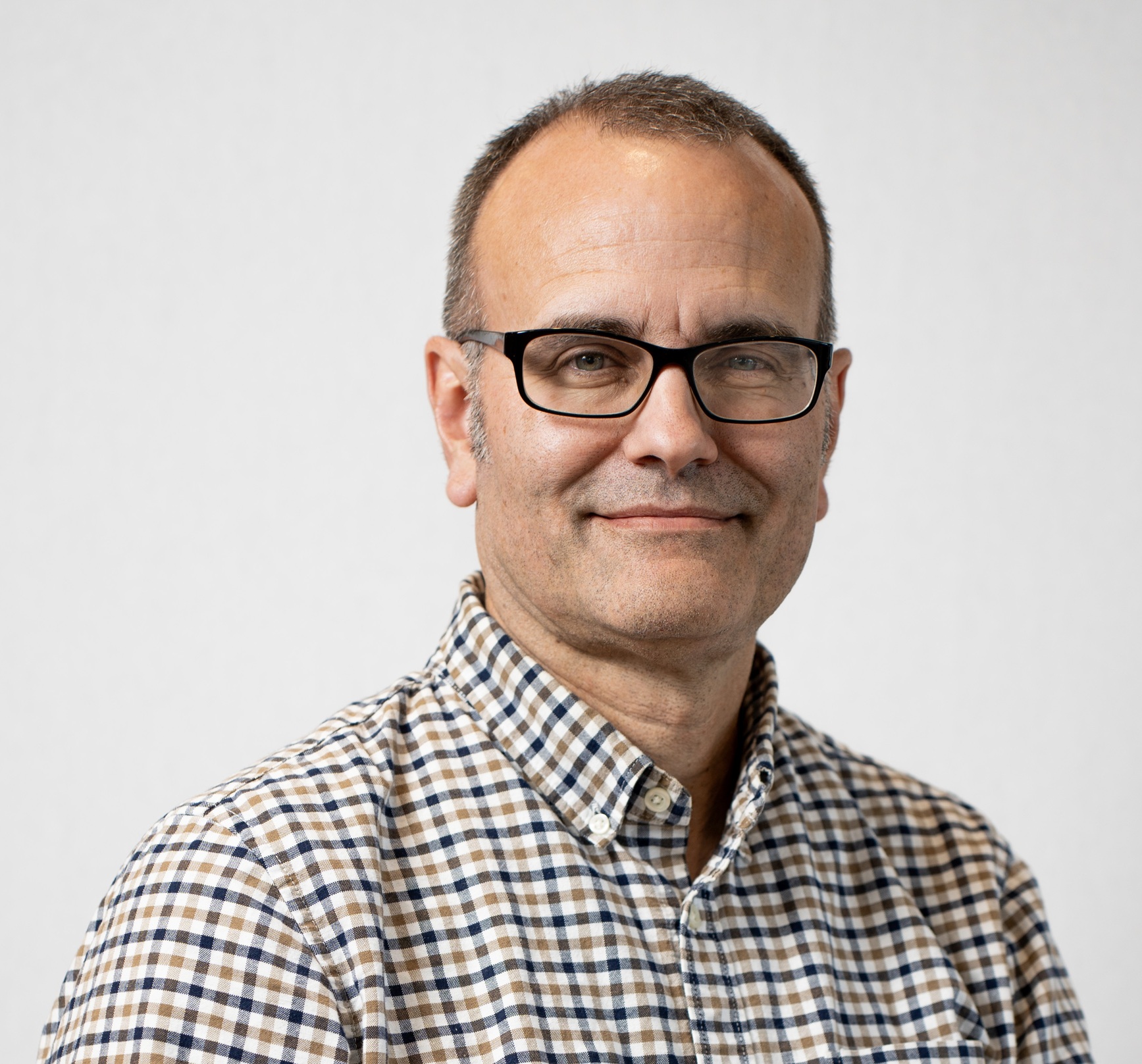
Dean Hintz
Safe Software’Open Standards Product Manager
Panel Session
GeoAI-Ready Digital Twins Across CityGML, I3S / 3D Tiles, Gaussian Splats, OpenUSD and Data Spaces
Panel Moderator: Mila Koeva
This workshop presents an end-to-end workflow for producing georeferenced 3D Gaussian Splats from 360-degree video and imagery captured with commodity cameras such as Insta360 and GoPro MAX, as well as aerial imagery collected with drones such as Antigravity. Read more
Workshops
Workshops are organised within the Smart Data and Smart Cities Conference on the 29th of September
Workshop 1: Voxel-Based Modelling and Analysis for Urban Environments
Workshop Chairs: Victor Peychev, prof. Sisi Zlatanova
This workshop introduces a new approach to multi-resolution voxel modelling and analysis, providing generic voxelisation and analytical tools that efficiently handle large, complex urban datasets. Read more
Workshop 2: AI-Empowered Urban Digital Twins: 'control mechanisms in agent orchestration for genAI in (Dutch) spatial planning'
Workshop Chairs: dr. Rob Peters, prof. Sisi Zlatanova
This workshop introduces new control mechanisms for AI agent support that fit with design challenges in multidisciplinary scenario building and with the provincial practice of legislative planning procedures. Read more
Workshop 3: Reality Mapping with 3D Gaussian Splats from Drone and Terrestrial Imagery: Tools, Workflows, Best Practices, and Applications
Workshop Chairs: Morakot Pilouk
This workshop introduces new control mechanisms for AI agent support that fit with design challenges in multidisciplinary scenario building and with the provincial practice of legislative planning procedures. Read more
Conference Programme
The 2026 program promises a dynamic and diverse mix of keynote presentations, scientific sessions, workshops, tutorials, and networking opportunities.
Detailed Program (Draft)
Conference Room Map
* schedule subject to change
Registration
Opening
prof. Steliyan Dimitrov, Vice-Rector of Research, Project Development and Information Technologies, Sofia University
prof. Sylvia Ilieva, Director, GATE Institute
TBA.
Keynote: Ashleigh Sier, Business Development Manager at Esri
Main Conference Hall
Coffee break
Ground floor.
Session 1. 3D GeoInfo
Main Conference Hall 1
Session 2. 3D GeoInfo
Main Conference Hall 2
Lunch
Ground floor.
Session 3. 3D GeoInfo
Main Conference Hall 1
Session 4. 3D GeoInfo
Main Conference Hall 2
Session 5. 3D GeoInfo
Main Conference Hall 1
Session 6. 3D GeoInfo
Main Conference Hall 2
Coffee break
Ground floor.
Session 7. 3D GeoInfo
Main Conference Hall 1
Session 8. 3D GeoInfo
Main Conference Hall 2
Welcome Reception
GATE Institute
Registration
Demo Session: Sofia Urban Digital Twin: 3D City Modelling and Applications 3D GeoInfo
Visualisation Lab
Session 9. 3D GeoInfo
Main Conference Hall
Session 10. 3D GeoInfo
Seminar Room
Keynote Ljubo Georgiev, Deputy Mayor on Urban Planning and Development at Sofia Municipality
Main Conference Hall
Coffee break
Ground floor.
Panel 1. GeoAI-Ready Digital Twins Across CityGML, I3S / 3D Tiles, Gaussian Splats, OpenUSD and Data Spaces
Main Conference Hall 1
Session 11. 3D GeoInfo
Seminar Room
Session 12. 3D GeoInfo
Main Conference Hall 2
Lunch
Ground floor.
Workshop 1. Voxel-Based Modelling and Analysis for Urban Environments
Main Conference Hall 1
Session 13. 3D GeoInfo
Seminar Room
Session 14. 3D GeoInfo
Main Conference Hall 2
Workshop 2. AI-Empowered Urban Digital Twins: 'control mechanisms in agent orchestration for genAI in (Dutch) spatial planning
Main Conference Hall 1
Session 15. 3D GeoInfo
Seminar Room
Session 16. 3D GeoInfo
Main Conference Hall 2
Coffee break
Ground floor.
Session 17. 3D GeoInfo
Main Conference Hall 1
Session 18. Smart Data and Smart Cities
Main Conference Hall 2
Guided Walking Tour
Places are limited and advance registration is required.
Conference Dinner & 3D GeoInfo Best Paper Award
Toplocentrala Centre
NOTE: The dinner will be organised as an outdoor buffet, so it is recommended bringing warm clothes, a jacket, or an additional layer, as it may become cool in the evening.
Registration
Session 19. Smart Data and Smart Cities
Seminar Room
Workshop 3. Reality Mapping with 3D Gaussian Splats from Drone and Terrestrial Imagery
Main Conference Hall
Keynote: Dean Hintz, Safe Software
Main Conference Hall
Coffee break
Ground floor.
Session 20. Smart Data and Smart Cities
Main Conference Hall
Lunch
Ground floor.
Session 21. Smart Data and Smart Cities
Main Conference Hall
Session 22. Smart Data and Smart Cities
Main Conference Hall
Coffee break
Ground floor.
Session 23. Smart Data and Smart Cities
Main Conference Hall
Guided Walking Tour
Places are limited and advance registration is required.
Registration
Session 24. Smart Data and Smart Cities
Main Conference Hall
Keynote: Prof. Dr Alias Abdul Rahman, Professor at the Department of Geoinformation, Universiti Teknologi Malaysia
Presentation title: Advancing 3D Land Administration through LADM and BIM Integration.
Main Conference Hall
Coffee break
Ground floor.
Session 25. Smart Data and Smart Cities
Main Conference Hall 1
Session 19. LADM & 3D LA
Main Conference Hall 2
Lunch
Ground floor.
Session 26. Smart Data and Smart Cities
Main Conference Hall 1
Session 30. LADM & 3D LA
Main Conference Hall 2
Session 27. Smart Data and Smart Cities
Main Conference Hall 1
Session 32. LADM & 3D LA
Main Conference Hall 2
Coffee break
Ground floor.
Session 28. Smart Data and Smart Cities
Main Conference Hall 1
Session 31. LADM & 3D LA
Main Conference Hall 2
SDSC Best Paper Award
Main Conference Hall
Guided Walking Tour
Places are limited and advance registration is required.
Conference Dinner
Restaurant "Chevermeto"
Registration
Keynote: Rafika Hajji, Full Professor at the college of Geomatic Sciences and Surveying Engineering at the Hassan II Institute of Agronomy and Veterinary medicine
Main Conference Hall
Session 33. LADM & 3D LA
Main Conference Hall
Session 34. LADM & 3D LA
Main Conference Hall
LADM & 3D LA Best Paper Award and Closing
Main Conference Hall
Conference Venue
Venue location info
Big Data for Smart Society Institute
GATE Institute is the first Centre of Excellence in Bulgaria to work on integrating and extending scientific excellence and innovation in priority areas such as Big Data and Artificial Intelligence at regional and European level.


Accommodation
Recommended hotels.


Sponsors
Contact us to become our sponsor.










Media Partners










Journal Partners
Opportunities to publish extended papers in journals

ISPRS International Journal of Geo-Information (IJGI), ISSN 2220-9964, waives publication fees for at 10 high-quality, extended full articles submitted to the conference special issue "Urban Digital Twins Empowered by AI and Dataspaces".
IJGI will present three Best Paper Awards, each valued at 350 CHF, to recognize outstanding contributions.
IJGI is the open access journal of the ISPRS and is published monthly online by MDPI. IJGI provides an advanced forum for the science and technology of geographic information. It aims to encourage scientists to publish their experimental and theoretical results in as much detail as possible.

International Journal of Geomatics (ISSN 2673-7418) will waive the Article Processing Charge (APC) for five outstanding extended papers selected from GeoSofia 2026 and accepted for publication in the Special Issue "AI-Driven Digital Twins for Smart Cities and Spatial Governance". In addition, all other accepted contributions to the Special Issue will be eligible for a 50% discount on the APC.
GeoSofia 2026 authors are invited to submit extended and substantially enhanced versions of their conference contributions to the Springer Nature Discover Cities Collection: “AI-Enabled Urban Digital Twins for Sustainable and Resilient Cities”. The Collection welcomes high-quality research exploring how Artificial Intelligence and Urban Digital Twins can support more sustainable, resilient, and intelligent cities. Relevant topics include AI-enabled urban modelling and simulation, multimodal urban data integration, GeoAI, predictive analytics, decision-support systems, semantic interoperability and knowledge graphs, data spaces, real-time sensing, and digital-twin applications addressing urban sustainability and resilience.
Publication costs will be covered by Springer Nature until 31 December 2026. Authors whose articles are accepted for publication in Discover Cities up to and including that date will not pay an article-processing charge.

GeoSofia 2026 authors are invited to submit extended and substantially enhanced versions of their conference contributions to the Frontiers in Sustainable Cities Research Topic: “From Fragmented Mobility Data to Actionable Knowledge: Multimodal Data Fusion and Advanced AI for Sustainable Urban Transport”. Key challenges include cross-modal and spatiotemporal data fusion, semantic interoperability, data quality and uncertainty, privacy, model transferability, explainability, robustness, and the translation of AI outputs into trustworthy decisions. We welcome interdisciplinary research that addresses these challenges and advances sustainable, inclusive, and human-centred urban mobility.
Submissions should make urban transportation or mobility central to the research question and demonstrate a clear contribution to sustainable cities and communities, reduced inequalities, innovation and infrastructure, or climate action. The manuscript Submission deadline is 13 April 2027.
Become a Sponsor
Join as a key sponsor and supporter of the 3D GeoInfo | SDSC | LADM & 3D LA 2026. Express an interest through the online booking form. Download partnership broshure.

Platinum partner
- Logo placement on all marketing materials and communications (prominent placement)
- Logo featured on the event website and GATE events page
- GATE will provide a custom social media tile to promote across your channels
- Verbal acknowledgement at opening and closing plenary sessions and all social program events
- Opportunity to present during a plenary session (approx 20 mins)
- Free standing banners can be installed in each plenary and presentation space
- Logo to appear on event multimedia and any printed event materials (prominent placement)
- 3× event registrations included (with access to all sessions and social events)
- Display table at the event to showcase products / marketing materials
- Opportunity to supply logo branded lanyards (at own cost)
- Opportunity to supply a door prize (at own cost)
- Attendee list (opt-in delegates - name, company and email)
10 000 EUR + GST
Gold partner
- Logo placement on all marketing materials and communications
- Logo featured on the event website and GATE events page
- GATE will provide a custom social media tile to promote across your channels
- Verbal acknowledgement at the opening and closing plenary sessions
- Free standing banners can be installed in the plenary space and each presentation space
- Logo to appear on event multimedia and any printed event materials
- 2× event registrations included (with access to all sessions and social events)
- Display table at the event to showcase products / marketing materials
- Opportunity to supply a door prize (at own cost)
- Attendee list (opt-in delegates – name, company and email)
7 000 EUR + GST
Silver partner
- Logo placement on all marketing materials and communications
- Logo featured on the event website and GATE events page
- GATE will provide a custom social media tile to promote across your channels
- Verbal acknowledgement at the opening and closing plenary sessions
- Free standing banners can be installed in the plenary space
- Logo to appear on event multimedia and any printed event materials
- 1× event registration included (with access to all sessions and social events)
- Display table at the event to showcase products / marketing materials
- Opportunity to supply a door prize (at own cost)
- Attendee list (opt-in delegates – name, company and email)
5 000 EUR + GST
Bronze partner
- Logo placement on all marketing materials and communications
- Logo featured on the event website and GATE events page
- GATE will provide a custom social media tile to promote across your channels
- Verbal acknowledgement at the opening and closing plenary sessions
- Free standing banner can be installed in the plenary space
- Logo to appear on event multimedia and any printed event materials
- 1× event registration included (with access to all sessions and social events)
- Attendee list (opt-in delegates – name, company and email)
2 000 EUR + GST
Travel Information
Important information for travelling to Sofia
Sofia Airport
Sofia Airport is the largest airport in Bulgaria and is only 20 minutes away by metro from the city center. Sofia Airport has two terminals – T1 and T2. Sofia Airport provides direct free-of-charge transportation between the two terminal buildings.
The airport can be accessed easily form Sofia city by metro or bus.
Sofia Airport Metro Station
Sofia Airport Metro Station is located in the eastern part of Terminal 2. You can reach it by following the blue markings on the floor of the public area of Terminal 2. M4 Line of Sofia Metro connects Sofia Airport with the city center – at Sofia University Metro Station and at Serdika Metro Station. The trip takes about 30 minutes. By changing lines at Serdika Metro Station you can go to Sofia Central Bus Station and Sofia Central Railway Station. The metro trains from and to the airport run from 5:30 to 24:00 on weekdays and holidays. There are travel cards vending machines at Sofia Airport Metro Station. You can use Bulgarian banknotes or coins or a credit card to purchase a travel card. It costs 0.80 EUR. The single-trip travel card for the metro has to be validated at the validators at the entrance to the metro stations. Each travel card can be used up to 30 minutes after being purchased. A single travel card for metro you can buy also from the metro cash-desks located next to the metro's entrance. You should keep your travel card till the end of the trip.
Bus lines E84, E184, 384
Bus line E84 runs from Sofia city center – bus stop Gen. Gurko Str. (bus stop № 1903), to Sofia Airport Terminal 2. From Terminal 2 it runs to Sofia Airport Terminal 1 and then back to Sofia city center.
Bus line E184 runs from Sofia city center - bus stop Gen. Gurko Str. (bus stop № 1903), to Sofia Airport Terminal 1. From Terminal 1 it runs to Terminal 2 and then back to Sofia city center.
Bus line 384 runs to Sofia Airport – Terminal 2 from Druzhba 2 district. The bus service starts from Druzhba 2, goes along Christopher Columbus Blvd. through Druzhba 1 to Terminal 2 and then goes back following the same route.
The bus lines operate under an all-day timetable. The exact times, including the first and last buses, are published on the website of Sofia Urban Mobility Centre. The journey with buss lines E84 and E184 takes around 45 minutes to reach the airport from the city center. The journey time from the first to the final stops of bus line 384 bus route is about 25-30 min on weekdays and weekends/holidays.
Public transport tickets in Sofia can be purchased via contactless bank card/phone, official mobile app (MPass), vending machines at metro stations, or from kiosks, costing 0.80 EUR (30 min) or 1.10 EUR (60 min). Contactless validation is mandatory on all buses, trams, and metro gates.
Tip: Tap your Visa/MasterCard, phone, or smartwatch directly on the blue Validators (card readers) located on all buses, trams, and trolleybuses. If you tap the same card 3+ times in a single day, it will automatically charge a daily cap of 2 EUR. You must tap every time you enter a vehicle, even when transferring.
Visa Application Information
Important information for visa applications
Requirements when entering the country
The Republic of Bulgaria is part of the Schengen area.
A foreigner may enter the Republic of Bulgaria if he/ she is a holder of a regular foreign travel document or another equivalent document as well as a visa if required.
Visa issuing
A foreign citizen wishing to apply for a Bulgarian visa shall hold a regular travel document that meets the following requirements:
- its validity expires at least 3 months after the intended date of departure from the territory of the Republic of Bulgaria or in case of multiple visits - after the last scheduled date of departure from the territory of the Republic of Bulgaria;
- contains at least 2 blank pages for visa purposes;
- has been issued within the last 10 years.
Visas are issued by the diplomatic and consular representations of the Republic of Bulgaria.
Visa applications
Visa applications forms are submitted not earlier than 3 months before the date of the intended travel, personally or through an authorized agent, with the exception of humanitarian cases.
Register as soon as you can for the event and request a Letter of Invitation during the registration process.
Visitors can find further information on the application procedures and required documents for the issuance of visas, as well as the address of consular offices, on the website of the Ministry of Foreign Affairs.
Supporters
The conferences are supported by


Registration Fees
Registration for the conferences is open via Conftool online submission system. The registration is considered early until July 20th, 2026.
The deadline for registration is Spetember 6th, 2026.

JOINT EVENT (5 Days)
Early Registration
- REGULAR attendant, 650 EUR
- STUDENT attendant, 400 EUR
- Abstract only, 350 EUR
Late Registration
- REGULAR attendant, 750 EUR
- STUDENT attendant, 450 EUR
- Abstract only, 450 EUR
Additional Registration
- Accompanying Person, 150 EUR
- Additional paper (up to 2), 150 EUR

3D Geo Info (2 Days)
Early Registration
- REGULAR attendant, 300 EUR
- STUDENT attendant, 200 EUR
- Abstract only, 350 EUR
Late Registration
- REGULAR attendant, 350 EUR
- STUDENT attendant, 250 EUR
- Abstract only, 450 EUR
Additional Registration
- Accompanying Person, 150 EUR
- Additional paper (up to 2), 150 EUR

SDSC (3 Days)
Early Registration
- REGULAR attendant, 350 EUR
- STUDENT attendant, 250 EUR
- Abstract only, 350 EUR
Late Registration
- REGULAR attendant, 450 EUR
- STUDENT attendant, 300 EUR
- Abstract only, 450 EUR
Additional Registration
- Accompanying Person, 150 EUR
- Additional paper (up to 2), 150 EUR

LADM & 3D LA (2 Days)
Early Registration
- REGULAR attendant, 300 EUR
- STUDENT attendant, 200 EUR
- Abstract only, 350 EUR
Late Registration
- REGULAR attendant, 350 EUR
- STUDENT attendant, 250 EUR
- Abstract only, 450 EUR
Additional Registration
- Accompanying Person, 150 EUR
- Additional paper (up to 2), 150 EUR
Registration Details
Regitration Details
The joint registration gives you the opportunity to publish and present a paper at one of the Scientific Sessions of the event, participate in all sessions, access to the event reception on September 28, and attend the event dinner on September 29 or October 1. The regular fee is €650 early, €750 late. For MSc and PhD students, it is €400 early, €450 late.
Registrations for a single conference are possible as follows:
- 3D GeoInfo Conference: publish and present a paper at one of the Scientific Sessions, participate in 3D GeoInfo sessions, access to the event reception on September 28, and the event dinner on September 29 or October 1. The regular fee is €300 early, €350 late. For MSc and PhD students, it is €200 early, €250 late.
- SDSC Conference: publish and present a paper at one of the Scientific Sessions, participate in SDSC sessions, access to the event reception on September 28, and the event dinner on September 29 or October 1. The regular fee is €350 early, €450 late. For MSc and PhD students, it is €250 early, €300 late.
- LADM & 3D LA Workshop: publish and present a paper at one of the Scientific Sessions, participate in LADM & 3D LA sessions, access to the event reception on September 28, and the event dinner on September 29 or October 1. The regular fee is €300 early, €350 late. For MSc and PhD students, it is €200 early, €250 late.
The registration for abstract-only participation gives you the opportunity to present an extended abstract at the Applied Session of the event, access to the conference reception on September 28, and the conference dinner on September 29 or October 1. The regular fee is €350 early, €450 late.
All the above-mentioned options include an event bag and materials, lunch, and tea and coffee during breaks.
The accompanying person registration is for non-academic participants (spouses, relatives, and friends) who are not paper co-authors and enables them to attend the event reception and event dinner.
Notes (read carefully)
- For each accepted paper, one author must register, pay the registration fee, and present the paper in person, in the event session where the paper is scheduled.
- Once the registration payment is made, NO REFUND is available.
- The registration fee includes one conference dinner. Participation in the second conference dinner is optional and requires the purchase of an additional dinner ticket (€100).
Payment By Wire Transfer
NAME OF THE BANK: BULGARIAN NATIONAL BANK (BNB)
BANK ADDRESS: 1 KNYAZ ALEXANDER I SQ., SOFIA 1000, BULGARIA
ACCOUNT HOLDER: INSTITUTE BIG DATA FOR SMART SOCIETY – GATE
ACCOUNT HOLDER ADDRESS: 5 JAMES BOURCHIER BLVD., SOFIA 1164, BULGARIA
SWIFT CODE: BNBGBGSF
IBAN: BG53 BNBG 9661 3100 1543 01
CURRENCY: EUR
The correspondent account of the BNB in TARGET2 is
IBAN: BG83 BNBG 9661 1100 0661 41
SWIFT CODE: BNBGBGSF
Please specify in the DESCRIPTION the following: NAME SURNAME GeoSofia 2026 (i.e. Anthony Smith GeoSofia 2026).
Replace NAME and SURNAME with your full name. If administrative personnel issue the payment, ensure they conform to the syntax above. Having your payment correctly associated with your registration is crucial, as some banks limit the string to a small number of characters.
IMPORTANT REMINDERS: The participant must pay the bank wire transfer-related fees (OUR).
Contact
Contact us for assistance and more information.
Address
5 James Bourchier Blvd., 1164 Sofia, Bulgaria
Email Us
contact@gate-ai.eu